

Can Women Benefit from FUE Hair Transplants? A Complete Guide
Posted:
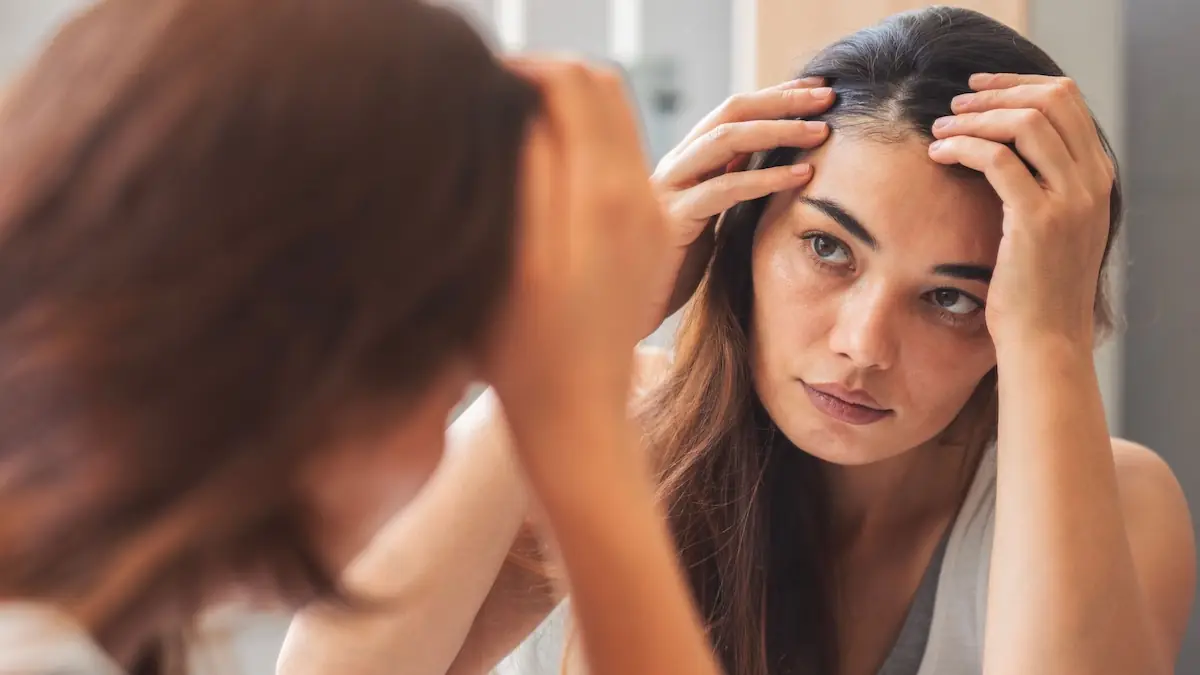
If you are a woman experiencing hair loss, you have likely asked yourself: Can I actually get a hair transplant? The answer is yes. FUE (Follicular Unit Extraction) hair transplants can deliver meaningful, long-lasting results for women. But female hair loss presents unique challenges, and whether FUE is the right solution depends on the specifics of your situation.
At 740 Park Beauty & Hair Restoration in Manhattan, Dr. Stafford Broumand and his team have helped many women regain their confidence through SmartGraft, a highly advanced FUE hair restoration system. This guide explores how FUE works for women, who makes a strong candidate, and what you can realistically expect from the process.
Why Women Are Turning to FUE Hair Transplants
The Growing Demand for Female Hair Restoration
It may surprise you to learn that while only about 16.5% of hair transplants are performed on women, this is not because women do not experience hair loss.1 It is because candidacy requirements tend to be more specific. In reality, up to 40 percent of women experience noticeable hair thinning or loss by age 50, yet many are unaware that a surgical solution may be available to them.2
Women are increasingly choosing FUE hair transplants because the results are permanent, natural-looking, and require no ongoing maintenance. Unlike topical treatments or oral medications, transplanted hair is genetically resistant to future hair loss. And because the SmartGraft FUE technique leaves only tiny, virtually invisible extraction sites, there is no telltale linear scar, even with shorter hairstyles.
How Female Hair Loss Differs from Male Pattern Baldness
Understanding this distinction is essential. Male pattern baldness typically follows a predictable path: a receding hairline, crown thinning, and a stable donor area at the back and sides of the scalp. Female hair loss, on the other hand, most often presents as diffuse thinning spread across the entire scalp, with less predictable progression.
This difference matters for surgical planning. When the donor area is also thinning, there may be fewer viable grafts available. This is why a thorough consultation with a hair restoration specialist is so important before moving forward.
Understanding FUE: How SmartGraft Works for Women
What Is FUE?
Follicular Unit Extraction (FUE), also referred to as Follicular Unit Excision, is a minimally invasive hair transplant technique. Individual hair follicles are harvested from the donor area, typically the back and sides of the scalp, and carefully implanted into areas of thinning or hair loss.
At 740 Park Beauty & Hair Restoration, Dr. Broumand performs FUE using SmartGraft technology, a state-of-the-art system designed to minimize trauma during extraction and maximize graft viability. The result is natural-looking hair growth that blends seamlessly with your existing hair.
Why FUE Is Well Suited to Women
Several features of the FUE technique make it particularly appropriate for female patients. There is no linear scar, which is ideal for women who prefer flexibility in how they wear their hair. Individual follicles can be extracted from different areas as needed. Surgeons can use single-hair grafts at the hairline to create a soft, natural appearance. Recovery is faster than strip-based methods, and the results are permanent.
What to Expect During the Procedure
An FUE procedure at 740 Park Beauty & Hair Restoration typically follows these steps. Your consultation and evaluation come first, during which Dr. Broumand assesses your hair loss pattern, donor hair availability, and goals. On procedure day, local anesthesia is administered for comfort throughout. Individual follicular units are then extracted using specialized micro-punches, typically 0.8 to 1.0 mm in diameter. Grafts are sorted and prepared under magnification, and tiny incisions are made in thinning areas, designed to follow your natural hair growth pattern. Follicles are then carefully implanted at the correct angle and density.
Most women return to normal activities within 7 to 10 days. Depending on the number of grafts needed, the procedure typically takes 4 to 8 hours.
Common Causes of Female Hair Loss
Genetic Factors (Female Pattern Hair Loss)
Female Pattern Hair Loss (FPHL), also called androgenetic alopecia, is the most common cause of hair loss in women. If your mother, grandmother, or other female relatives experienced hair thinning, you may be at higher risk. It typically presents as gradual thinning across the crown and part line, a widening part, and visible scalp in affected areas. It can begin as early as the 30s but may start sooner.
Hormonal Changes
Hormonal fluctuations are a significant trigger for female hair loss. Postpartum hair loss is temporary but can be distressing. Declining estrogen levels during menopause can accelerate thinning. Thyroid disorders, both hyperthyroidism and hypothyroidism, affect the hair growth cycle. Polycystic ovary syndrome (PCOS) can trigger androgenetic alopecia due to hormonal imbalance.
Stress, Nutrition, and Autoimmune Conditions
Chronic stress can push hair follicles into a resting phase prematurely, causing temporary shedding. Deficiencies in iron, zinc, vitamin D, and B vitamins can also contribute to thinning, and a simple blood test can identify nutritional gaps. Some women with alopecia areata, an autoimmune condition that causes patchy hair loss, may also be candidates for FUE when a stable donor area is present.
Who Is a Good Candidate for FUE Hair Transplants?
Not every woman with hair loss is an ideal FUE candidate. Dr. Broumand evaluates several key factors during your consultation.
Factors That Support Candidacy
Strong candidates typically share several characteristics. You have sufficient healthy donor hair at the back and sides of the scalp that will not be affected by future hair loss. This is the single most critical factor. Your hair loss is localized or patterned, such as a receding hairline, crown thinning, or thinning along the part line, rather than diffuse thinning across the entire scalp. You are in good overall health with no conditions that impair healing. You have realistic expectations and understand that the goal is to improve appearance and confidence, not replicate the density of your hair at age 20. You are committed to following post-operative care instructions carefully.
Factors That May Disqualify You
Women with extensive diffuse thinning throughout the scalp may not have enough stable donor hair for a successful procedure. If your hair loss is actively and rapidly progressing, surgery may not be the right timing. Uncontrolled autoimmune diseases or bleeding disorders may require medical clearance or alternative treatment. The most important step is a one-on-one consultation with Dr. Broumand to evaluate your specific situation and determine whether FUE is appropriate for you.
What Results Can You Realistically Expect?
Timeline for Hair Growth
Hair transplant results develop gradually. During months one through three, transplanted hairs shed, which is completely normal and expected. New growth begins around month three. From months three through six, new hairs grow in, though they may appear thin initially. From months six through twelve, significant growth and thickening occur, and most women notice visible improvement by the nine to twelve month mark. Full results typically appear between twelve and eighteen months as hairs reach their mature thickness and length.
Expected Density and Coverage
Most women require between 1,000 and 3,000 grafts for noticeable improvement, depending on the extent of hair loss and individual goals. With proper surgical planning, you can expect a meaningful improvement in density in treated areas, natural appearance when grafts are placed at proper angles and spacing, and permanent results in transplanted areas. It is important to understand that the procedure does not stop natural hair loss in non-transplanted areas.
Factors That Influence Your Results
Results are shaped by a combination of factors: Dr. Broumand’s surgical precision and artistic approach to hairline design, the characteristics of your hair such as texture, curl, and color contrast, graft survival rate (typically 85 to 95 percent of transplanted grafts survive), your commitment to post-operative care, and your natural hair growth patterns.3
FUE vs. Other Hair Restoration Options for Women
SmartGraft FUE vs. FUT (Strip Method)
| Factor | FUE (SmartGraft) | FUT (Strip Method) |
|---|---|---|
| Scarring | Minimal, scattered micro-dots | Linear scar on back of scalp |
| Donor area shaving | Small area shaved | Can work with longer hair |
| Recovery time | 7 to 10 days | 10 to 14 days |
| Graft yield | 85 to 90% | 90 to 95% |
| Best for women | Preferred for minimal scarring | Less ideal for shorter styles |
For most women, FUE is the preferred approach. The SmartGraft system delivers precise, minimally invasive extraction with a faster recovery and no visible scar, making it particularly well suited to the way many women prefer to wear their hair.
Non-Surgical Alternatives
Before pursuing surgery, many women explore non-surgical options, which can also complement FUE results.
Minoxidil (Rogaine) is an over-the-counter topical treatment that can slow hair loss and promote some regrowth, though results vary and require ongoing use. Finasteride (Propecia) is a prescription oral medication that blocks the hormone DHT, which is linked to hair loss. It is not FDA-approved for women but is sometimes prescribed off-label.
Nutrafol, available at 740 Park Beauty & Hair Restoration, is a physician-formulated supplement designed to support hair growth from within. PRP (Platelet-Rich Plasma) therapy uses components of your own blood to stimulate follicles and can be used alongside FUE to optimize results. Low-level laser therapy offers modest improvement for mild to moderate hair loss and works best as part of a broader treatment plan.
Learn more about how Nutrafol works
Many women achieve the best outcomes by combining SmartGraft FUE with complementary treatments to maximize density and address continued natural hair loss over time.
The FUE Recovery Process
Days One Through Seven
Mild discomfort during the first few days is manageable with prescribed pain medication. Some swelling and redness in the recipient and donor areas is normal. Small scabs will form around transplanted grafts. Avoid washing your hair for the first 48 hours. By days four through seven, swelling typically subsides, you can gently wash your hair with cool water and a prescribed shampoo, and scabs begin to shed naturally. Do not pick at them. Most women feel comfortable returning to work by the end of the first week.
Weeks Two Through Four
Redness fades significantly and scabs shed completely. It is normal for transplanted hairs to shed during this period. You can resume light exercise and style your hair normally, though avoid tight hairstyles that pull on grafts.
Months Two and Three
The donor area is fully healed, any remaining redness resolves, and new hair growth begins. You can resume all normal activities including vigorous exercise.
Key Aftercare Guidelines
- Sleep elevated for the first week to minimize swelling
- Avoid direct sun exposure on treated areas for two to three weeks
- Do not smoke for at least two weeks, as it impairs healing
- Avoid strenuous exercise for two to three weeks
- Take prescribed medications as directed
- Be gentle when washing and styling your hair
- Avoid tight hairstyles for at least three weeks
- Stay hydrated and eat well to support recovery
Learn more about optimizing your FUE recovery
Why Choose 740 Park Beauty & Hair Restoration for Your FUE Hair Transplant?
At 740 Park Beauty & Hair Restoration, we specialize in natural-looking results for women experiencing hair loss. Dr. Stafford Broumand is a board-certified plastic surgeon and widely recognized authority in modern hair restoration in New York City. He uses SmartGraft, one of the most advanced FUE systems available, and takes an artistic approach to hairline design and graft placement.
Every treatment plan is personalized to your specific hair loss pattern, goals, and lifestyle. We offer comprehensive consultations to ensure you are a strong candidate before any commitment is made, along with compassionate care that addresses both the physical and emotional dimensions of hair loss. Transparent pricing, before-and-after galleries, and a team committed to your long-term results set us apart in Manhattan.
Frequently Asked Questions
How much does FUE cost for women?
FUE costs vary based on the number of grafts needed. During your consultation, Dr. Broumand’s team will provide a detailed quote based on your specific needs. Financing options are available.
Will transplanted hair look natural?
Yes. When performed by an experienced surgeon using SmartGraft technology, modern FUE allows for precise placement at natural angles and spacing, creating results that blend seamlessly with your existing hair.
Can I color or style transplanted hair?
Yes. Once fully healed, typically around six months post-procedure, you can color, cut, and style transplanted hair just as you would your own hair, because it is your own hair.
Will my hair loss continue after the transplant?
Transplanted hair is permanent and will not fall out. However, non-transplanted hair may continue to thin over time. Many women benefit from combining SmartGraft FUE with Nutrafol or minoxidil to address ongoing hair loss in untreated areas.
Can I get pregnant after a hair transplant?
Yes, pregnancy does not affect transplanted hair. That said, it is generally advisable to wait until after pregnancy to undergo FUE, as hormonal changes during and after pregnancy can influence hair loss patterns and affect planning.
How long do results last?
Transplanted hair is permanent. Those hairs are yours for life, though they may thin slightly with age just as your natural hair does.
Ready to Explore FUE Hair Restoration in NYC?
Hair loss can feel isolating, but you are not alone, and effective solutions exist. If you are a woman considering FUE hair transplants, the first step is a personalized consultation with a specialist who understands the unique challenges of female hair loss.
At 740 Park Beauty & Hair Restoration, located on Park Avenue in Manhattan, Dr. Broumand and his team are committed to helping women regain their confidence through natural-looking, permanent hair restoration. We will evaluate your specific situation, set realistic expectations, and create a treatment plan tailored to your needs.
Contact us to schedule your consultation. Your journey to restored confidence starts with a conversation.
Source Index:
- International Society of Hair Restoration Surgery. ISHRS 2025 Practice Census. Available: https://ishrs.org/2025-practice-census/. Accessed May 1, 2026.
- Famenini S, Slaught C, Duan L, Goh C. Demographics of women with female pattern hair loss and the effectiveness of spironolactone therapy. J Am Acad Dermatol. 2015 Oct;73(4):705-6. doi: 10.1016/j.jaad.2015.06.063. PMID: 26369846; PMCID: PMC4573453. Available: https://pmc.ncbi.nlm.nih.gov/articles/PMC4573453/. Accessed May 1, 2026.
- Parsley WM, Perez-Meza D. Review of factors affecting the growth and survival of follicular grafts. J Cutan Aesthet Surg. 2010 May;3(2):69-75. doi: 10.4103/0974-2077.69014. PMID: 21031063; PMCID: PMC2956960. Available: https://pmc.ncbi.nlm.nih.gov/articles/PMC2956960/. Accessed May 1, 2026.